
Bio
I am a neuroimaging scientist working at the intersection of artificial intelligence, clinical neurophysiology, multimodal brain imaging, and scientific computing. I am interested in neuronal synchronization, large-scale brain network dynamics, and the translation of neurophysiological signals into clinically meaningful insights.
In my current role in at BESA, I develop and evaluate deep learning methods for automated epileptic spike and seizure detection in clinical neurophysiology data, with the goal of supporting clinical workflows and patient care.
I completed my PhD at Ruprecht Karls Universität Heidelberg under the supervision of Prof. Dr. med. Alexander Gutschalk, where I investigated the neural origin and functional role of the P300 brain marker using EEG, MEG, MRI/fMRI, and simulation modeling. My broader research experience includes work at the Max Planck Institute for Empirical Aesthetics and Forschungszentrum Jülich, which strengthened my background in biomedical engineering, multimodal neuroimaging workflows, and computational neuroscience.
A bit more about me
A Journey from India to Germany
I was born and raised in Kolkata, India. After completing my B.Tech in Biomedical Engineering, I moved to Germany for my M.Sc. and continued my path into neuroimaging and computational neuroscience. My journey through research has been shaped by curiosity, exchange across cultures, and a strong interest in understanding the human brain.
Outside work, I enjoy travelling, photography, hiking, chess, and conversations with people from different cultures and backgrounds.
Research Interests
Neuroimaging: EEG, MEG, iEEG, MRI/fMRI
Clinical AI: epileptic spike and seizure detection
Methods: signal processing, image processing, simulation modeling, scientific computing, multidimensional data analysis
Career path
Education & Experience
Neuroimaging Scientist
Developing and evaluating deep learning methods for automated epileptic spike and seizure detection in clinical neurophysiology data.
Scientific Software Engineer
Supported multimodal neuroimaging workflows for MEG, MRI/CT, iEEG, behavioral, and eye-tracking data with FAIR/BIDS standards and HPC processing.
Research Engineer (PhD)
Investigated P300 source mechanisms with MEG, EEG, MRI/fMRI, source analysis, and simulation modeling.
M.Sc. Biomedical Engineering
Graduate Research Engineer
Developed hardware and software tools for MEG head-position monitoring and source reconstruction workflows.
B.Tech Biomedical Engineering
Papers and preprints
Selected Publications
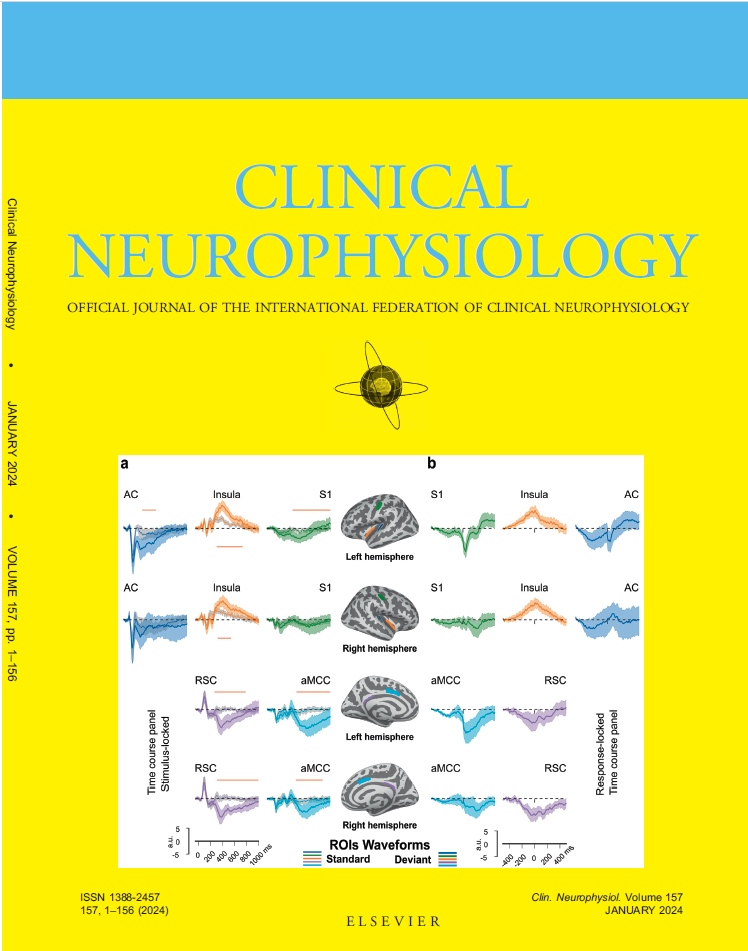
Clinical Neurophysiology · 2024 · Research article
A role for retrosplenial cortex in the task-related P3 network
Combined MEG, EEG, fMRI, and source-simulation analyses converged on the retrosplenial cortex as a dominant source of the classical centro-parietal P3, with additional contributions from anterior insula and modality-specific cortical regions.
Upcoming work (preprint)
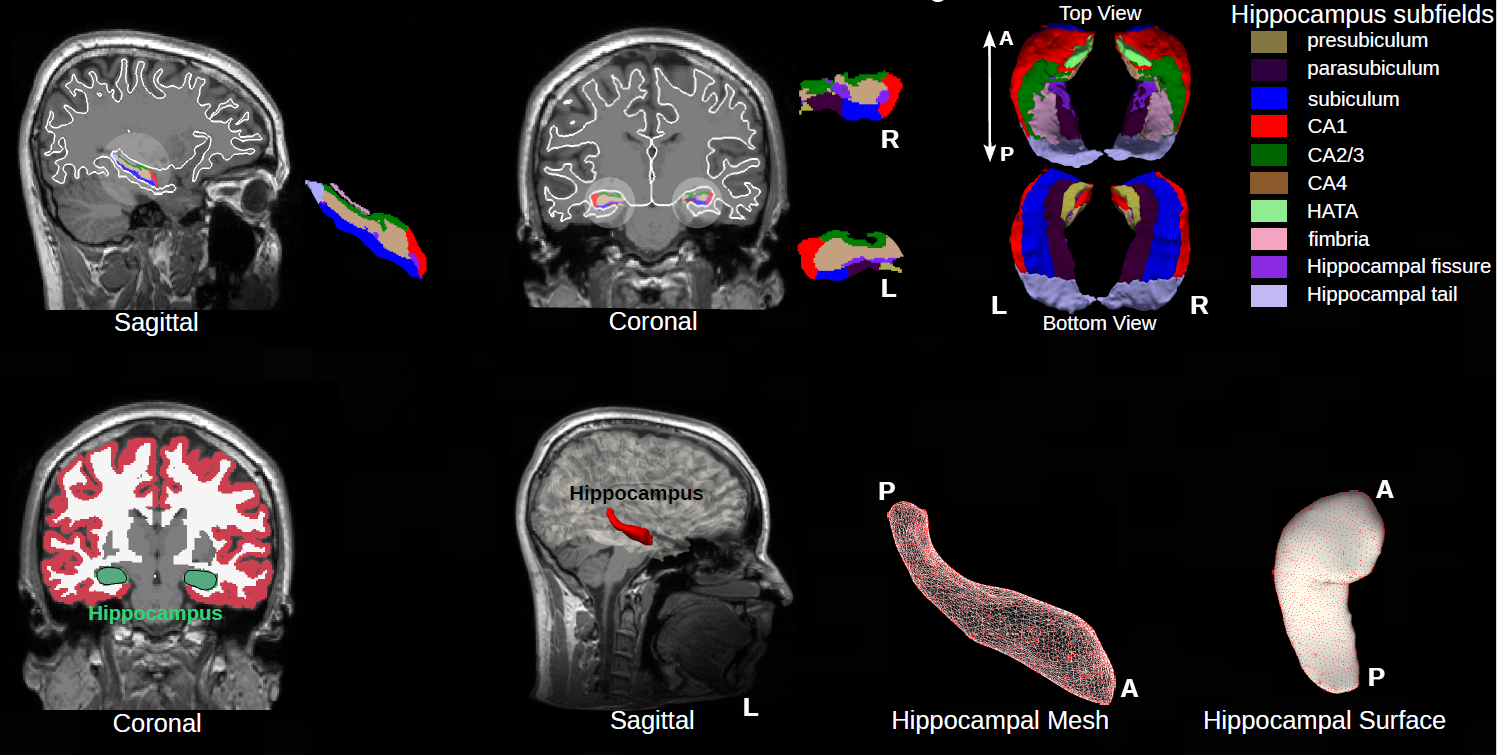
Combined MEG and EEG suggest a limbic source network of the P3
Extended P3 source-localization to a visual oddball paradigm and found evidence for a sparse limbic source network centered on retrosplenial cortex, with insular and medial temporal contributions.
Selected work
Research Projects
AI for epileptic spike and seizure detection
Development and evaluation of deep learning methods for automated epileptic spike and seizure detection in clinical neurophysiology data. This work focuses on translating complex EEG patterns into clinically useful decision-support tools.
Website
Cogitate Consortium
COGITATE is an open-science initiative involving several international research institutions in a registered collaboration to empirically test competing theories of consciousness. My work contributed to multimodal neuroimaging data workflows and data release activities across MEG, MRI/CT, iEEG, behavioral, and eye-tracking datasets.
Website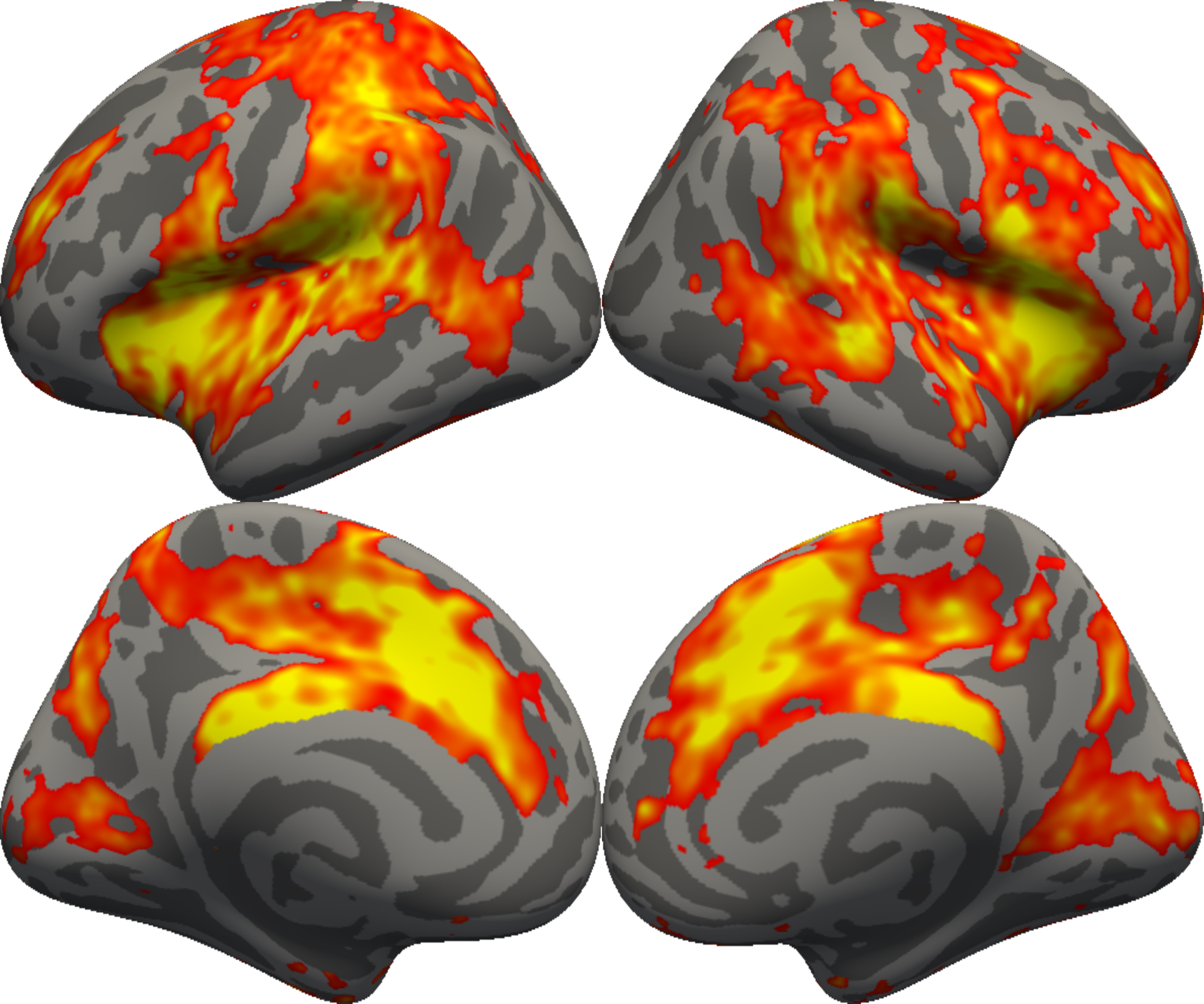
P300 source localization
Multimodal studies investigating the neural generators of the P300 across auditory and visual oddball paradigms. This work combines EEG, MEG, MRI/fMRI, source modeling, and anatomically constrained simulations to study contributions from retrosplenial cortex, insular cortex, and hippocampal regions.
Read paper / View preprint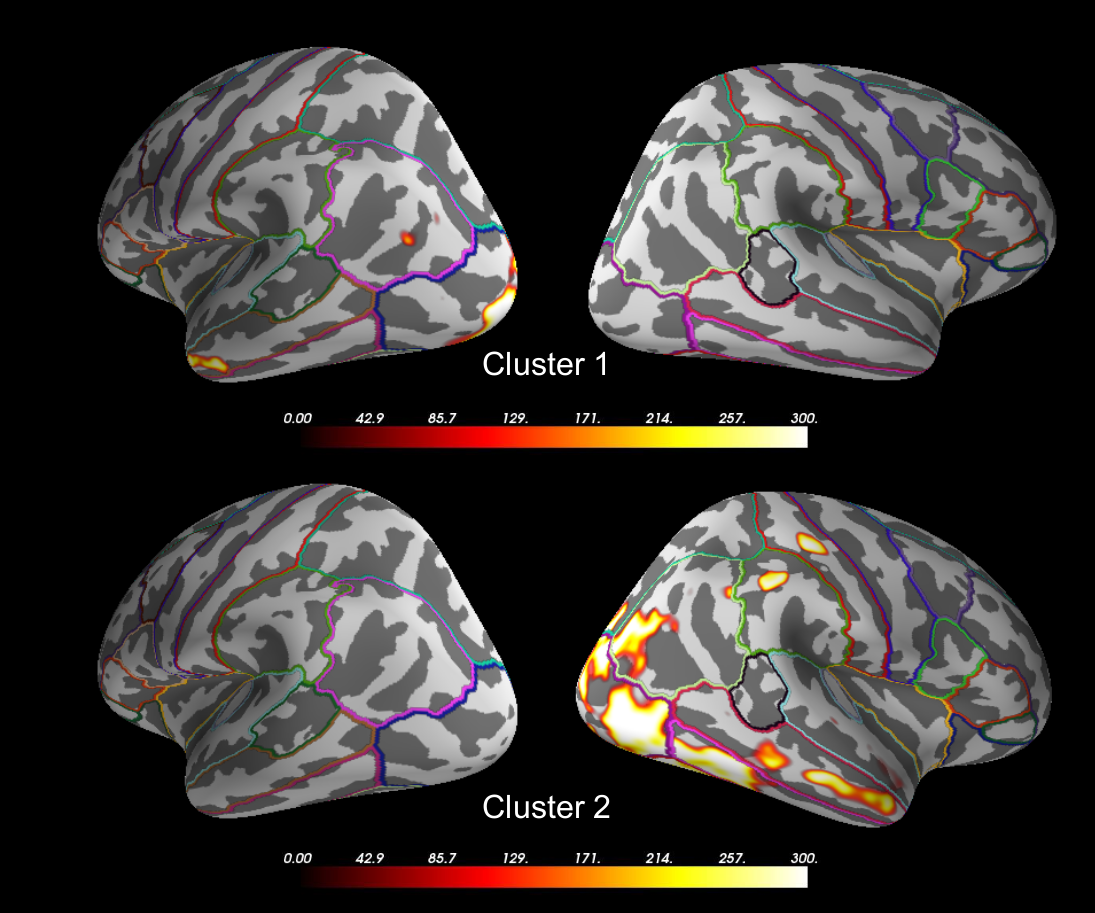
Spatio-temporal cluster statistics for MEG data
Cluster-based non-parametric permutation methods for analyzing high-dimensional MEG data across spatial, temporal, and spectral dimensions. This project highlights statistical approaches for identifying robust experimental effects in complex neuroimaging datasets.
Poster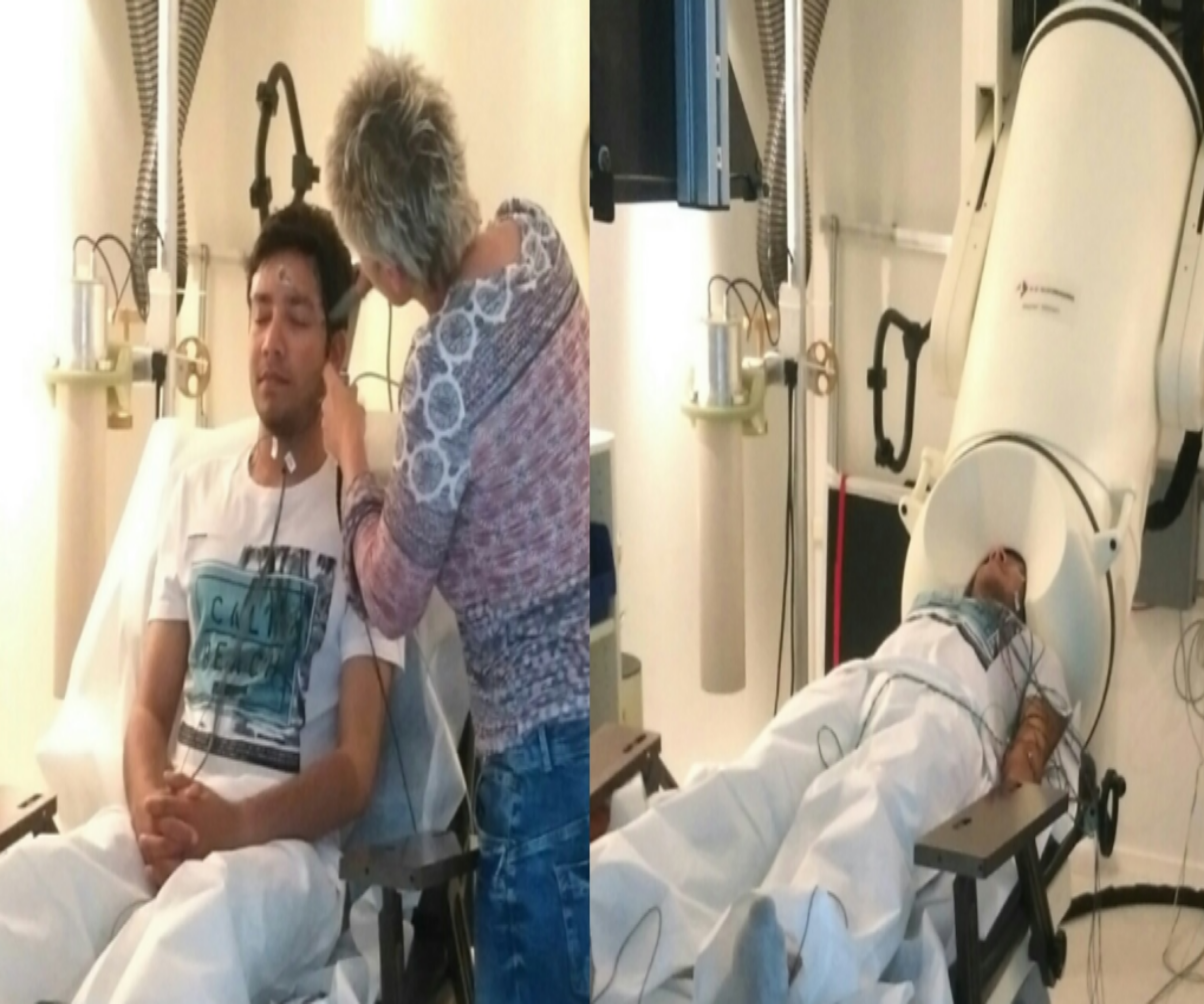
MEG head-position monitoring
Hardware and software tools for tracking head position during MEG recordings. The project supports improved data quality control and more reliable source reconstruction workflows.
Poster
P300 speller classification for BCI
An EEG-based machine learning pipeline for classifying target and non-target events in a P300 speller paradigm using spectral features and Random Forest modeling.
Code
Smart wearable cardiac healthcare system
Designed and developed a GSM-based wearable smart healthcare system integrating a three-axis accelerometer and three-lead ECG recording. The system was intended for real-time patient monitoring, self-diagnosis, and remote diagnosis, including detection of abnormal cardiac conditions and sudden falls.
Read paperUpcoming
Conferences
2–3 July 2026 · Salzburg, Austria
SAMBA X MEG
I will be attending SAMBA X MEG, the 2026 Salzburg Mind Brain Annual Meeting.
Conference websiteContact & Links
You can find my CV, scientific profiles, and professional contact links below.